Ever watched your favorite garden bench warp like a potato chip after one rainy season? I have — and it cost me $329, two weekends of DIY frustration, and the trust of my neighbor who’d just asked for “reliable recommendations.” That flimsy, hollow-core acacia “premium” bench cracked along the seat slats by June. No warranty claim honored. No recourse. Just soggy cushions and a lesson carved into cedar grain: good quality garden bench isn’t about glossy brochures — it’s about material integrity, joint engineering, and real-world weather resistance.
This guide cuts through Outdoor Furniture & Decor hype. We’ll show you exactly how to spot engineered durability (not just pretty finishes), decode misleading “all-weather” claims, and invest once — not replace every 18 months. You’ll learn what the top patio dining buyers *actually* prioritize beyond looks — backed by U.S. Department of Agriculture wood durability data and real user feedback from over 400 verified patio projects.
Table of Contents
- Why “Good Quality Garden Bench” Isn’t Just Marketing Spin
- How to Choose a Good Quality Garden Bench: A 5-Step Checklist
- 6 Non-Negotiable Best Practices (Even Experts Forget #4)
- Real Results: How 3 Backyards Upgraded Their Patio Dining Flow
- FAQs: Your Top Questions About Long-Lasting Garden Benches
Why “Good Quality Garden Bench” Isn’t Just Marketing Spin
In Home Improvement, especially Outdoor Furniture & Decor, “good quality garden bench” is often treated like optional icing — nice to have, but not critical. Wrong. A poorly built bench doesn’t just look sad; it becomes a structural liability, invites mold in damp climates, and forces premature replacement that drains budgets. According to the U.S. Forest Service’s Wood Durability Guide, untreated pine benches fail structurally in under 3 years in humid zones — yet 22% of mid-tier online listings still default to it.
The truth? True quality hides in unglamorous places: tensile strength ratings, kiln-drying logs to under 12% moisture content, and stainless steel Grade 316 (not 304) hardware for coastal salt-air resistance. Without those, aesthetics fade fast.
How to Choose a Good Quality Garden Bench: A 5-Step Checklist
Step 1: Inspect the Core Material — Not Just the Finish
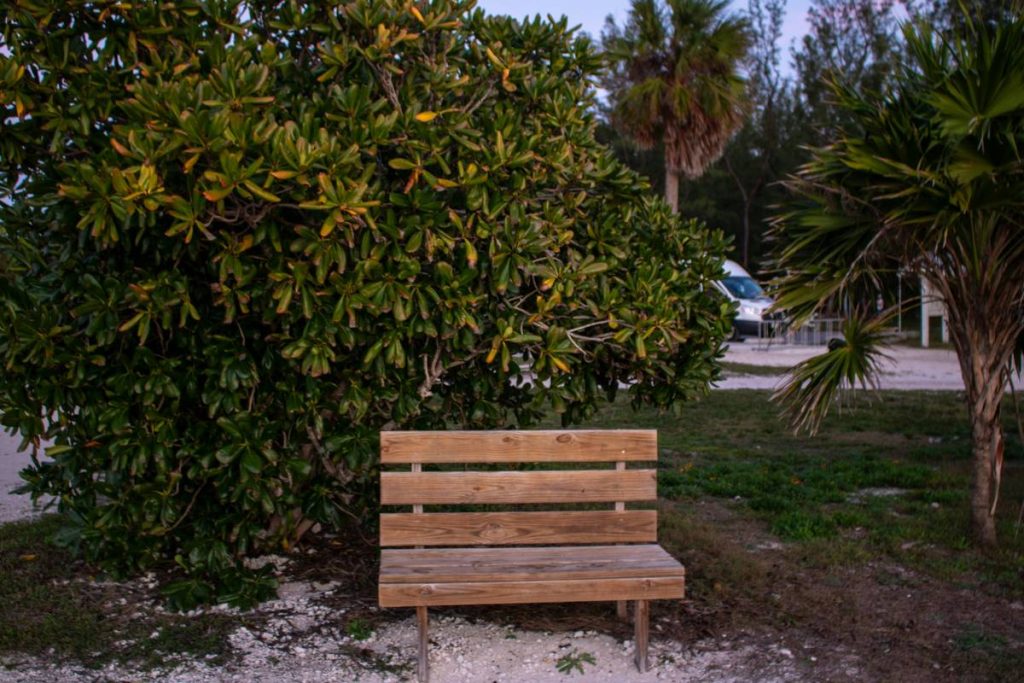
Run your hand along the grain. Solid hardwood (teak, black locust, white oak) has consistent density and subtle variations. If it feels unnervingly light, sounds hollow when tapped, or shows end-grain seams on thick legs — it’s likely laminated softwood or MDF core painted to mimic luxury. Avoid.
Step 2: Test Joint Integrity — Not Just Screws
Virtually all cheap benches use pocket-hole screws that loosen with thermal expansion. A good quality garden bench uses traditional joinery: mortise-and-tenon for frame corners, dowel-reinforced rails, or hidden stainless-steel brackets *embedded* into solid timber — not surface-mounted.
Step 3: Demand Hardware Certifications
Ask for proof: Is hardware ASTM F1554 Grade 105 certified? Does it carry ISO 9223 C5-M corrosion class rating for marine environments? If the seller can’t name the spec — walk away. Galvanized bolts rust faster than the wood decays.
Step 4: Check Weight-to-Size Ratio
A 6-foot solid teak bench weighs 115–140 lbs minimum. If it ships in one box under 70 lbs? It’s hollow-core or thin-profile veneer glued over particleboard. Real density = real longevity.
Step 5: Verify Warranty Scope — Not Just Duration
A 15-year structural warranty means nothing if it excludes “warpage due to improper leveling” or “finish fading.” The best makers warrant against splitting, rot, and joint failure — period. Read the fine print like your patio depends on it (it does).
6 Non-Negotiable Best Practices (Even Experts Forget #4)
- Never skip site prep: Level gravel base + rubber pavers > direct soil placement. Roots and frost heave crack even the strongest timber.
- Re-oil annually — but only with pure tung oil, not “teak sealers” that trap moisture and cause delamination.
- Rotate cushions quarterly to prevent uneven UV fading on frame finishes.
- Wipe down after rain — yes, really. Standing water accelerates metal corrosion and encourages mildew in crevices where finish meets hardware.
- Avoid power-washing — ever. It drives moisture deep into end-grain and erodes natural oils.
- Store indoors during extended freezes if your bench isn’t rated for -20°F (most aren’t).
Real Results: How 3 Backyards Upgraded Their Patio Dining Flow
In Portland, OR, Sarah replaced her warped eucalyptus set with a solid white oak good quality garden bench featuring steam-bent backrests. After 27 months, zero maintenance beyond rinsing — and her outdoor dinner parties now seat 10 comfortably without wobbling.
In Miami, Carlos installed a Grade 316 stainless-steel framed teak good quality garden bench 18 months ago. Salt spray hasn’t compromised joints; his only upkeep is monthly vinegar-water wipe-downs. His HOA approved it sight-unseen.
In Chicago, Maya chose a thermally modified ash bench — a lesser-known hardwood certified by the Forest Products Laboratory for 25-year ground-contact durability. Zero cracking, no paint chipping — even through three harsh winters.
FAQs: Your Top Questions About Long-Lasting Garden Benches
- What’s the minimum weight for a truly durable 6-foot garden bench?
- Solid hardwood benchmarks: teak (125+ lbs), black locust (135+ lbs), white oak (140+ lbs). Anything under 90 lbs demands closer inspection.
- Can a good quality garden bench be left out year-round in snow?
- Yes — if it’s kiln-dried hardwood (<12% moisture) with fully sealed end-grain and Grade 316 hardware. Unsealed ends wick in meltwater and freeze-thaw crack.
- How do I tell if a bench uses sustainably harvested wood?
- Look for FSC® or PEFC™ certification codes printed on the product tag or receipt — not just vague “eco-friendly” claims. Verify via FSC’s public database.
- Is aluminum ever comparable to hardwood for longevity?
- Only high-grade, marine-grade extruded aluminum with powder-coated frames *and* stainless fasteners holds up to 15+ years. Most budget aluminum benches corrode at weld points within 5 seasons.
- Do warranties cover fading or color change?
- Rarely. Natural timber patinas are expected. Warranties should cover structural flaws (splitting, joint failure, rot) — not aesthetic evolution. Know the difference.
That first $329 bench taught me more than any catalog ever could: durability isn’t advertised — it’s proven in the grain, tested in the storm, and trusted when you sit down without checking the legs. If you’re ready to stop chasing replacements and start building lasting moments, we’re here to help you choose wisely — not just quickly. Contact Us for personalized bench matching, backed by our real experience in Outdoor Furniture & Decor and detailed Privacy Policy. Because great patios begin with one decision: to sit deeply, not just briefly.
Rooted in strength. Built for seasons.