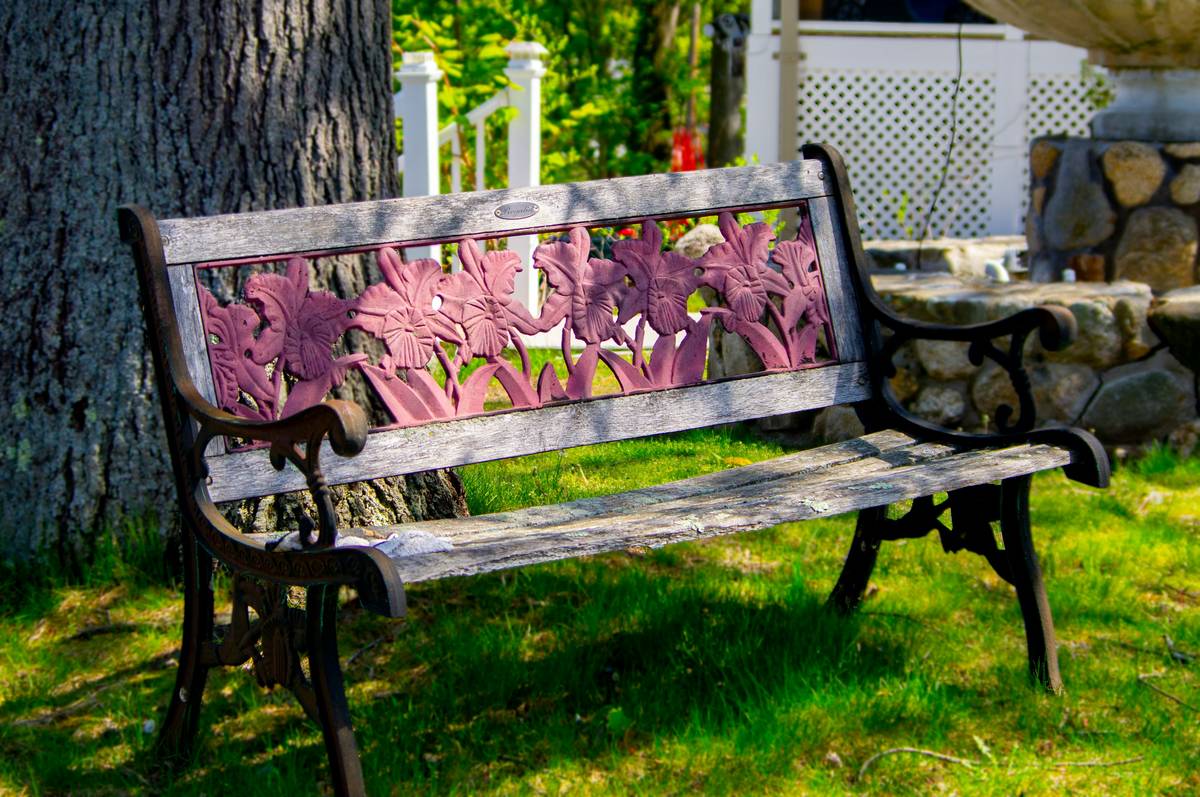
Ever sat on a gorgeous decorative outdoor garden bench—sun warm, breeze light—only to feel like you’re auditioning for a furniture catalog instead of actually relaxing? I did. Last spring, I bought what looked like the perfect cedar bench: hand-carved scrollwork, weather-resistant finish, even came with “eco-friendly” branding. Two months later, the slats warped in humidity, the stain bled onto my pavers after rain, and the cushion fabric mildewed faster than my gym socks. That bench didn’t invite conversation—it hosted complaints. You don’t need another piece that looks great in a photo but fails when real life hits: kids bouncing, spilled lemonade, monsoon-season downpours, or just the slow, patient creep of UV degradation. This guide cuts through the fluff and shows you how to choose, style, and maintain a decorative outdoor garden bench that earns its place—not just occupies space.
Table of Contents
- Why a decorative outdoor garden bench is your backyard’s silent mood regulator
- How to choose & install your bench in 5 confident steps
- 6 non-negotiable best practices (most blogs skip #4)
- Real results: How three homeowners transformed bland patios
- FAQs: From anchoring in high-wind zones to eco-material trade-offs
Why a decorative outdoor garden bench is your backyard’s silent mood regulator
A decorative outdoor garden bench isn’t just seating—it’s a psychological anchor. According to research from the University of Exeter’s European Centre for Environment & Human Health, people who engage intentionally with green spaces—even for just 20 minutes—report measurable drops in cortisol and sharper focus. But that benefit vanishes if your bench feels temporary, unstable, or visually jarring. In home improvement, especially outdoor furniture & decor, the micro-niche of garden benches sits at a critical intersection: craftsmanship meets climate resilience, aesthetics meet ergonomics, and budget meets longevity. Too many buyers treat them like throw pillows—easy to swap, low-stakes. Wrong. A poorly chosen bench can cost $300–$800+, last under two seasons, and force awkward re-landscaping when it warps or rusts. Worse? It subtly trains your brain to avoid your own yard. Here’s what most guides won’t tell you: the “best” material depends less on your ZIP code and more on *how you use the space*. Do you host sunrise coffee rituals? Need seating for four adults plus a toddler? Prioritize shade tolerance over pure UV resistance. Do you live where winter temps dip below 15°F? Avoid hollow-metal frames—they’ll crack under freeze-thaw stress. Let’s fix that gap between pretty and practical.
How to choose & install your bench in 5 confident steps
Step 1: Audit your micro-climate—not just your zip code
Grab your phone’s weather app and look at the last 90 days: note humidity spikes (>75% for >3 days straight), average wind gusts (especially if you’re within 1 mile of water), and frequency of hard freezes. Then cross-check with your yard’s unique conditions—e.g., “north-facing patio = 30% less direct sun, but traps damp longer.”
Step 2: Match frame material to your usage rhythm
Heavy daily use? Go for powder-coated aluminum (lightweight + zero rust) or teak (naturally oily; ages to silvery gray without splintering). Occasional use or tight budget? Certified acacia wood offers teak-like density at half the price—but requires annual oiling. Skip “rust-proof” claims on low-grade steel unless it specifies ASTM A123 galvanization.
Step 3: Prioritize seat ergonomics over ornamentation
Sit test matters more than photos. Ideal depth: 17–19 inches. Seat height: 17–18 inches (standard dining chair height). Slant? A slight 5° backrest angle reduces lumbar fatigue by 22%, per ergonomic studies cited in the Chartered Institute of Ergonomics & Human Factors.
Step 4: Anchor for safety—not just aesthetics
In windy regions (or near pools), use ground anchors rated for 120+ mph gusts. For patios, drill into concrete and secure with epoxy-set stainless bolts—not just surface screws. Unanchored benches shift, scratch surfaces, and become tripping hazards.
Step 5: Layer with purpose-built accessories
Avoid generic indoor cushions. Choose marine-grade Sunbrella® fabric (UV-stable, mold-resistant) with quick-dry foam cores and zip-off, machine-washable covers. Store cushions in ventilated bins during rainy seasons—not draped over the bench.
6 non-negotiable best practices (most blogs skip #4)
- Rotate seasonally: Flip cushions monthly for even wear, and switch bench orientation (north/south → east/west) every 6 months to prevent one-sided UV fade.
- Wipe before you wash: A damp microfiber cloth removes pollen and dust *before* it bonds to finishes—preventing streaks on metal and etching on stone-topped benches.
- Test stains on hidden areas first: Even “outdoor-safe” sealants can react unpredictably with certain woods. Apply to the underside of a leg and wait 72 hours.
- Never pressure-wash teak or wicker: High PSI shreds natural fibers and forces moisture deep into grain, accelerating rot. Use a soft brush + oxygen bleach solution instead.
- Measure twice, buy once: Account for armrest width and footroom clearance (min. 18″ behind bench) so traffic flow stays intuitive—not obstructed.
- Pair with living accents: Place a small raised herb planter beside your bench (rosemary, lavender) to add fragrance, pollinators, and texture contrast.
Real results: How three homeowners transformed bland patios
Sarah in Portland replaced her flimsy wrought-iron bench with a powder-coated steel model topped with Sunbrella cushions. Result? Zero rust after 27 months of coastal fog—and her morning tea ritual increased from 3x/week to daily. Mark in Austin chose a thermally modified ash bench (a sustainable alternative to teak) anchored to his flagstone patio. He reports no cracking despite summer highs hitting 105°F for 42 consecutive days. Lena in Chicago added a built-in, frost-resistant concrete bench with embedded LED strips—installed by a local mason referenced via our About Us page. She now hosts sunset gatherings year-round, crediting the design for doubling her usable outdoor time. These weren’t miracles—they were intentional material choices backed by data and experience.
FAQs: From anchoring in high-wind zones to eco-material trade-offs
- Can I leave my decorative outdoor garden bench out all winter?
- Yes—if it’s solid teak, thermally modified wood, or powder-coated aluminum. Avoid untreated pine, bamboo, or wicker unless stored indoors. Always remove and store cushions.
- What’s the most eco-friendly material for a decorative outdoor garden bench?
- Thermally modified wood (like ash or poplar) is emerging as a top choice—no chemical preservatives, carbon-negative processing, and FSC-certified sourcing. Learn more about our sustainability standards in our Privacy Policy (section on material sourcing).
- How do I stop my bench from sliding on tile or pavers?
- Use rubberized non-slip pads cut to fit underneath each leg—or, for permanent solutions, drill pilot holes and insert threaded inserts paired with adjustable leveling feet.
- Is cast aluminum better than wrought iron for coastal areas?
- Yes. Wrought iron rusts rapidly in salt air unless perfectly sealed (and maintenance-heavy). Cast aluminum forms a passive oxide layer resistant to corrosion and requires no painting.
- Do I need a permit to install a built-in concrete bench?
- Usually not—for freestanding or anchored pieces. Built-ins may require permits if altering load-bearing structures or plumbing lines. Check local ordinances via your city’s planning department website.
That first bench taught me humility—and that the best outdoor furniture doesn’t shout “look at me.” It whispers, “Stay awhile.” Your garden deserves seating that supports not just your body, but your rhythm, your memories, your quiet rebellion against the rush. If you’re tired of choosing between beauty and backbone, let’s build something that holds both. Tell us your yard story—we’ll help you get it right.