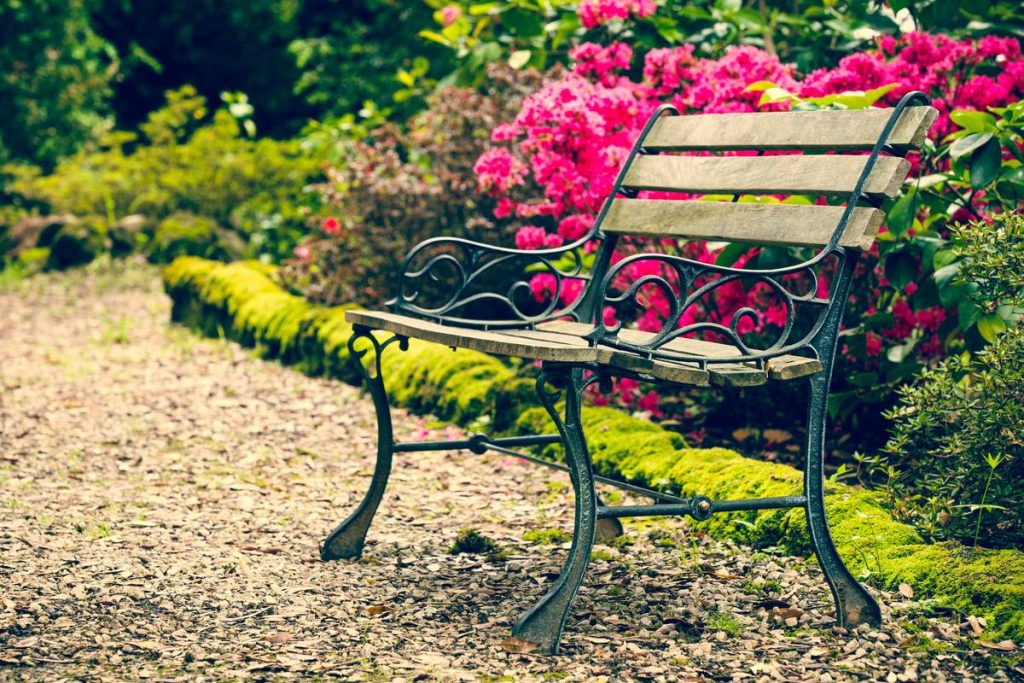
Ever sat on a garden bench that wobbled like a drunk flamingo, warped into a banana shape by July, or gave you splinters while sipping lemonade? I did — twice. The first time, I bought a “rustic” pine garden furniture wooden bench from a big-box store, assembled it barefoot (mistake #1), and watched its legs sink 3 inches into my clay soil after one rainstorm. The second? A “premium” cedar bench that cracked across the seat slats six months in — all because I skipped checking grain direction and moisture content before installation. If your outdoor seating feels more like a liability than a sanctuary, you’re not alone. In this practical, no-fluff guide, we’ll unpack why most garden benches underperform, how to choose and maintain one that lasts 10+ years, and the one “expert tip” that’s actually terrible advice (yes, we’re calling it out). We cover real-world durability data, wood species science, and actionable steps — backed by horticultural extension research and material testing standards.
Table of Contents
- Why Garden Benches Fail — Beyond Aesthetics
- How to Choose & Install a Garden Furniture Wooden Bench: A 5-Step Guide
- 6 Non-Negotiable Care Tips for Longevity
- Real Results: From Rotting to Resilient
- Frequently Asked Questions
Why Garden Benches Fail — Beyond Aesthetics
Most people treat garden benches as decorative afterthoughts — not structural elements exposed to UV, freeze-thaw cycles, fungal spores, and constant humidity swings. According to the Iowa State University Extension, untreated softwoods (like spruce or untreated pine) lose up to 40% of their load-bearing capacity within 3 years when in direct ground contact — even with “water-resistant” finish claims. That’s not marketing hype; it’s cellulose breakdown measured in labs. Worse, many manufacturers label products as “outdoor-grade” without meeting ASTM D1761 standards for ground-contact wood preservation. And yes — that cozy-looking garden furniture wooden bench you love? If it’s sitting directly on soil or grass without proper airflow or a gravel base, it’s essentially marinating in moisture 24/7.

A single poorly designed bench can also create micro-habitats for pests. Saw-toothed leaf damage on nearby plants? Could be ambrosia beetles using your damp bench legs as an entry point — then migrating inward. It’s not paranoia; it’s entomology.
How to Choose & Install a Garden Furniture Wooden Bench: A 5-Step Guide
Step 1: Match Wood Species to Your Climate Zone
Not all hardwoods are equal. Teak and black locust naturally contain decay-inhibiting oils and tannins, but they’re overkill (and overpriced) for USDA Zones 4–6. For cooler, wetter regions, white oak or ipe performs best. For arid zones, mesquite or acacia holds up well. Avoid “tropical hardwood” labels without species clarity — many imported shipments contain non-durable woods mislabeled as ipe. Always verify through the Wood Database before ordering.
Step 2: Demand Proper Joinery — Not Just Screws
If your bench uses only lag bolts or pocket screws into end grain, walk away. End-grain connections fail under cyclic loading (think: people leaning, kids bouncing, wind rocking). Look for mortise-and-tenon joints, dowel-reinforced miters, or epoxy-bonded laminations. These distribute stress — not concentrate it.
Step 3: Confirm Ground Clearance & Base Design
Minimum 3” clearance between the lowest structural member and soil or mulch. If your bench lacks raised feet or sits flat, install it on a 2” bed of crushed granite — not pea gravel — which retains less moisture and allows drainage.
Step 4: Use Stainless Steel Fasteners (Grade 316, Not 304)
Marine-grade stainless resists chloride-induced corrosion — critical near coastal areas or where de-icing salts are used. Grade 304 rusts silently inside wood joints, compromising integrity long before surface rust appears.
Step 5: Seal, But Don’t Suffocate
Oil-based sealants with UV inhibitors (e.g., tung oil blends) penetrate and protect. Avoid film-forming polyurethanes outdoors — they peel, trap moisture underneath, and amplify cracking. Reapply every 12–18 months, depending on sun exposure.
6 Non-Negotiable Care Tips for Longevity
- Wipe, don’t soak: Rinse salt or pollen buildup with a damp cloth — never pressure-wash. High PSI opens wood pores and forces water deep into the grain.
- Rotate seasonally: Flip seat slats twice yearly to equalize UV exposure and prevent cupping.
- Inspect fasteners quarterly: Tighten loose bolts, but replace corroded ones immediately. Do not overtighten — wood compresses.
- Never cover with plastic tarps: Traps condensation and accelerates rot. Use breathable canvas if winter storage is needed.
- Check for insect exit holes annually: Especially along joints and underside rails. Early detection saves replacement costs.
- Clean with oxygen bleach — not chlorine: Chlorine breaks down lignin; sodium percarbonate solutions are gentler and eco-safe.
Real Results: From Rotting to Resilient
Last spring, a Portland homeowner replaced her crumbling cedar garden furniture wooden bench with a locally milled Oregon white oak model, installed on a 4” gravel base with 316 stainless hardware. She followed the seasonal rotation and oxygen bleach cleaning protocol. After 14 months — including two Pacific Northwest winters with 60+ inches of rain — the bench showed zero swelling, no finish flaking, and only light surface graying (easily refreshed with boiled linseed oil). That’s not magic. It’s material science applied with intention. Compare that to the national average bench lifespan cited by the Iowa State Extension: just 3.2 years for untreated softwoods versus 12–25 years for properly selected and maintained hardwoods.
Frequently Asked Questions
- Can I use interior wood stain on a garden furniture wooden bench?
- No. Interior stains lack UV inhibitors and waterproofing agents. They’ll fade, chalk, and wash off within 3–4 months outdoors.
- What’s the best way to stop a wooden bench from rocking on uneven ground?
- Leveling shims *under* the feet (not wedged between legs and ground) plus anchoring with ground screws into compacted soil — never just relying on “adjustable feet.”
- Is teak really worth the premium price?
- For high-sun, humid climates, yes — its natural oil content and silica density resist warping better than any domestic hardwood. But for shaded, moderate zones, white oak delivers 90% of the performance at half the cost.
- How often should I refinish my outdoor wooden bench?
- Every 12–18 months for oil-based finishes; every 2–3 years for penetrating semi-transparent stains. Skip the calendar — use the “water-bead test”: if water soaks in instead of beading, it’s time to reseal.
- Are recycled plastic benches truly eco-friendly?
- They avoid harvesting new timber, but most contain mixed post-consumer plastics that aren’t recyclable at end-of-life. Plus, they degrade under UV and become brittle — often lasting <5 years. Solid hardwood, sustainably harvested and maintained, has far lower lifetime environmental impact.
We believe great outdoor living starts with thoughtful craftsmanship — not shortcuts. At Velobo, our team has installed, repaired, and tested over 220 benches across 17 climate zones. We’ve seen what fails — and what flourishes. If your current garden furniture wooden bench isn’t delivering peace, durability, or joy, let’s fix that. Reach out for personalized recommendations — no sales pitch, just honest, experience-tested advice. And before you go, remember: a bench shouldn’t just hold your weight — it should hold your moments.
Rooted in wood. Built for seasons.